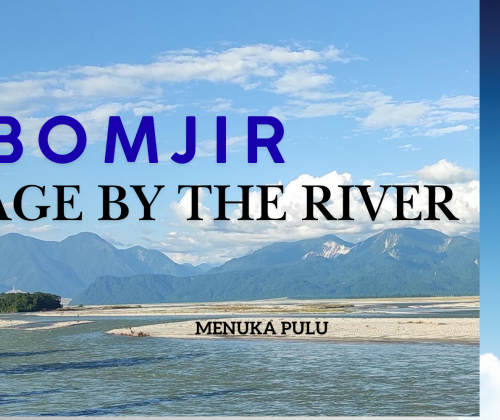
Bomjir, one of Arunachal Pradesh's oldest villages in the lower Dibang River basin under Dambuk circle, faces existential challenges from the river, known as Sikang to the Adi tribe. Inhabited mainly by Padam and Milam sub-tribes, the village has endured frequent floods from Sikang's braided channels, shifting twice after losing paddy fields and wet rice cultivation. Glacier-fed water quality deteriorated post-floods, forcing reliance on a protected spring. Poor connectivity to Roing district headquarters, 28 km away, involved risky boat crossings, prompting youth exodus. A new concrete bridge over Dibang has transformed access, fostering economic opportunities for students, traders, and farmers by enabling market sales. While boatmen lost livelihoods, many adapted to new businesses. Population influx has raised land prices, symbolizing renewed hopes. Menuka Pulu's narrative captures Bomjir's struggles, resilience, and aspirations amid riverine uncertainties.